HarnessRouter blog
Pinned
 Comparisons · Oct 12, 2026Build your own agent stack?Adding an agent to a product no longer has to start with a custom agent backend. Which layer you start at decides what your team builds and operates. Both paths side by side, layer by layer.
 Tutorials · Sep 28, 2026System One integration pitfallsThe criteria field takes a different shape for each of the three question types, and the field name never changes. That and five more, checked against TypeSafe's documentation and against code we run in production, plus four circulating warnings we could not verify.
 Insights · Sep 22, 2026What can a System One model do?Eight System One model use cases, ranked by how many people have built each one. Plus the four Jev numbers everyone quotes, checked against what the sources actually say.
Insights · Sep 20, 2026What is System One?System One is the half of AI that decides without writing. You give a model the answers it is allowed to give, and it picks one instead of writing a sentence. System Two is the other half, the models that think out loud. Both names are borrowed from psychology.

Insights · Sep 20, 2026What is a System One agent?A System One agent is a model that picks the next action, plus a loop that keeps asking it until the job is done. This one ships an order in five steps, with a probability behind every one, and the loop that ran it is open source.

Insights · Sep 20, 2026What is a System One harness?A System One harness is the loop around a decision model: it holds the state, offers the actions that are possible right now, gates on the probability that comes back, and stops for a reason it can name.

Insights · Sep 20, 2026What is a System One model?A System One model answers typed questions with values and probabilities instead of writing text. Here is what it guarantees, what it does not, and how to read the numbers around it.

Announcements · Sep 20, 2026System One Harness is open sourceSystem One Harness is our open-source controller for System One models: it drives an environment one typed decision at a time, each carrying the probability the loop gates on. Apache 2.0, conformant at the Unified Harness Protocol core class, and measured on the live model.
Tutorials · Sep 16, 2026Why Claude Code gets expensiveClaude Code resends the full conversation on every turn, so cost compounds with session length. The documented mechanics, the nine actions that invalidate your prompt cache, and which savings levers are measured rather than folklore.

Tutorials · Sep 15, 2026Compact vs new sessionWhen should you /compact and when should you /clear and start fresh? The decision rule, what compaction preserves and loses in Claude Code, Codex, and six other harnesses, and the emerging externalized-state alternative to recursive summaries.

Insights · Sep 14, 2026Thin model, thick harnessFive 2026 studies put fixed-weight models under different harnesses and harness configurations: swings from a few points to roughly 10x, each within its stated setting. The evidence for harness engineering, numbers scoped.
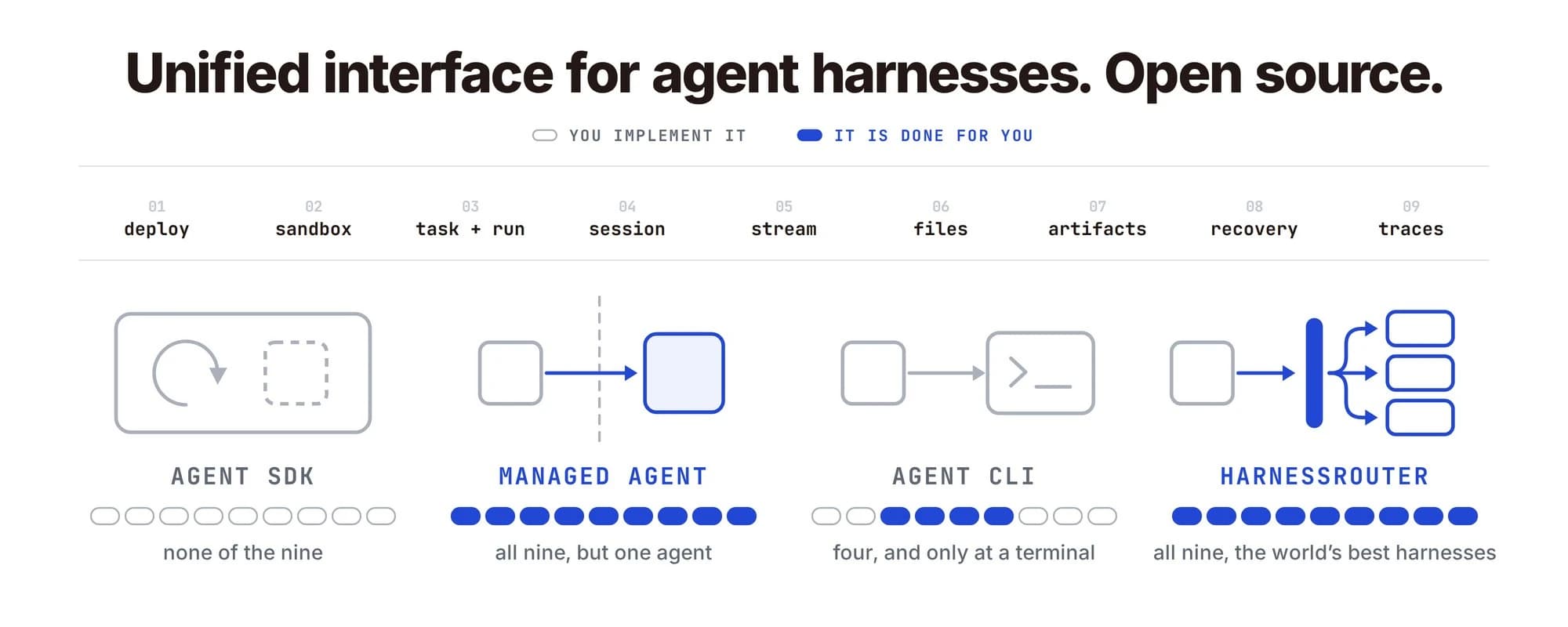
Insights · Sep 13, 2026Agent SDK, Managed Agent, Agent CLIThere are several ways to bring an AI agent into a product: build with an SDK, call a managed service, or integrate an existing agent through its CLI. What each approach provides, what remains your responsibility, and where HarnessRouter fits.
Insights · Sep 5, 2026AI agent protocols in 2026A practical map of MCP, A2A, AG-UI, MHS, and UHP: what each standardizes, where each fits, and when to use which in a real agent stack.
Tutorials · Sep 5, 2026Claude Code hooksLearn Claude Code hooks with PreToolUse and PostToolUse examples for blocking risky commands, running tests, and enforcing policy safely.
Tutorials · Sep 5, 2026Codex full autoLearn what Codex full auto does now, why codex exec --full-auto is deprecated, how --yolo differs, and which sandbox settings are safer.

Tutorials · Sep 5, 2026Claude Code bypass permissionsLearn Claude Code bypass permissions: the --dangerously-skip-permissions flag, permission modes, safer allowlists and hooks, and safe sandboxed use.
Insights · Sep 4, 2026Best AI coding agentsThe best AI coding agent in 2026 depends on the task. Ten agents profiled from maker documentation, ranked by task class with live usage data and a measured same-task benchmark.
Insights · Sep 4, 2026Harness rankings: August 2026August 2026 agent harness rankings by observed routed-token volume: the 30-day leaders, seven-day movements, the new entrant, and the method behind the numbers.

Insights · Sep 3, 2026AI agent portabilityAI agent portability is the ability to change your model, your harness, or where the whole layer runs without rebuilding your product. The three layers, the exit-cost test, and where the protocols fit.

Insights · Sep 3, 2026AI agent sandboxingAI agents that run code and touch files need sandboxed execution. The real decision is who operates it: sandbox infrastructure you assemble, or a managed harness layer that isolates every run.

Insights · Aug 31, 2026Same model, different productsTwo products can run the same AI model and deliver completely different results. The difference is the agent harness around the model: what it can see, do, retain, and verify.
Insights · Aug 31, 2026What are managed agentsManaged agents are AI agents that run on infrastructure a vendor operates for you. What a managed-agent service actually manages, how a task runs through one, and what to check before you commit.

Announcements · Aug 31, 2026OpenCode, Qwen Code, and Cline are liveOpenCode, Qwen Code, and Cline are now supported agent harnesses on HarnessRouter, joining Codex, Claude Code, Hermes, Pi, and DeepSeek Harness for eight in total. Run every one through the same create-and-run API.
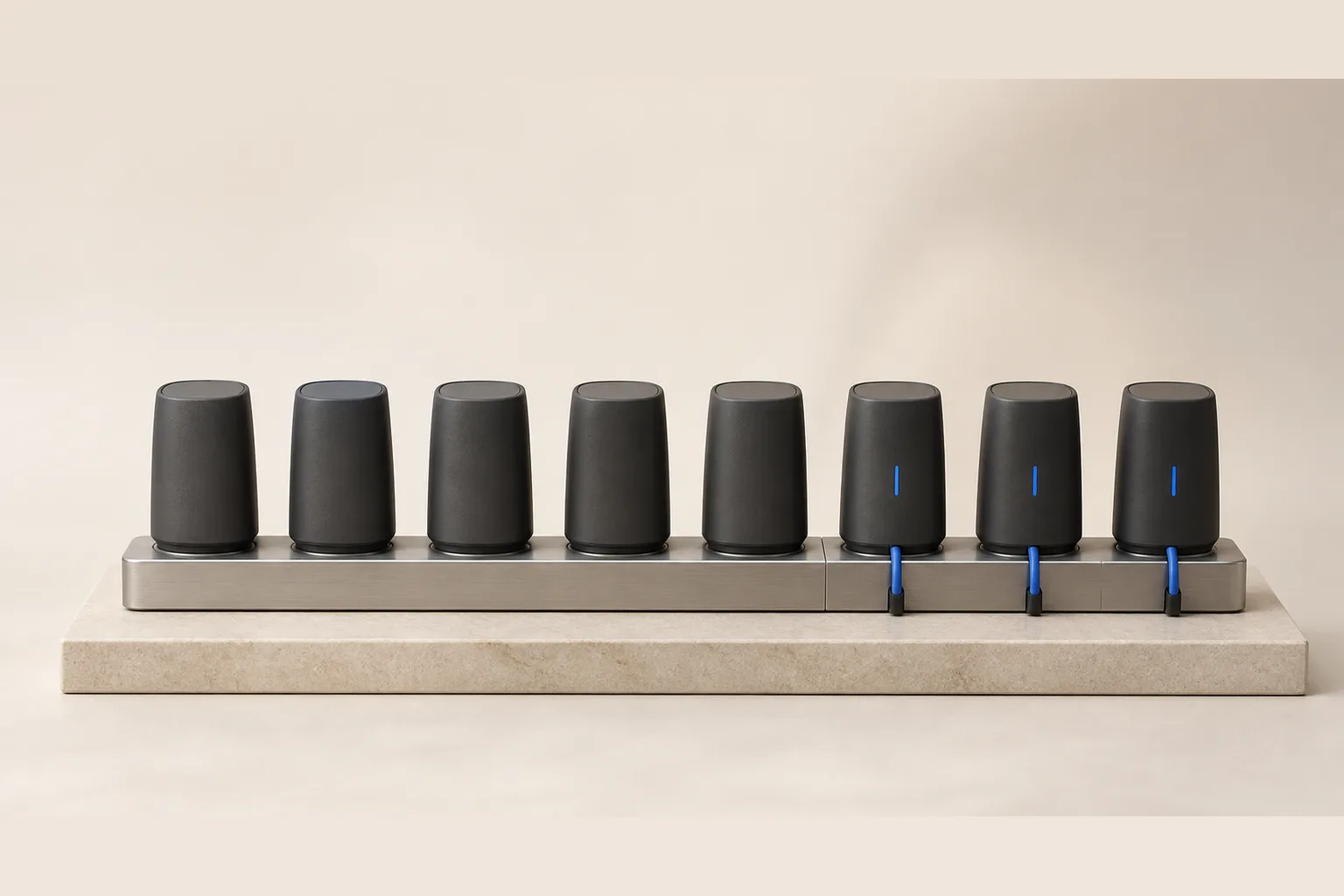
Insights · Aug 30, 2026What is the Model Hardware Standard (MHS)?Anthropic's Model Hardware Standard (MHS), explained: how AI agents discover and operate lab and factory equipment, what the spec covers, how it relates to MCP, and what it means for agent builders.
Comparisons · Aug 25, 2026Best Agent Harnesses in 2026The best agent harness in 2026 depends on the task you run through it. Here is the field: Codex, Claude Code, Hermes, Pi, and DeepSeek Harness profiled, the measured cost and latency spread between them, and the method for ranking them on your own work.
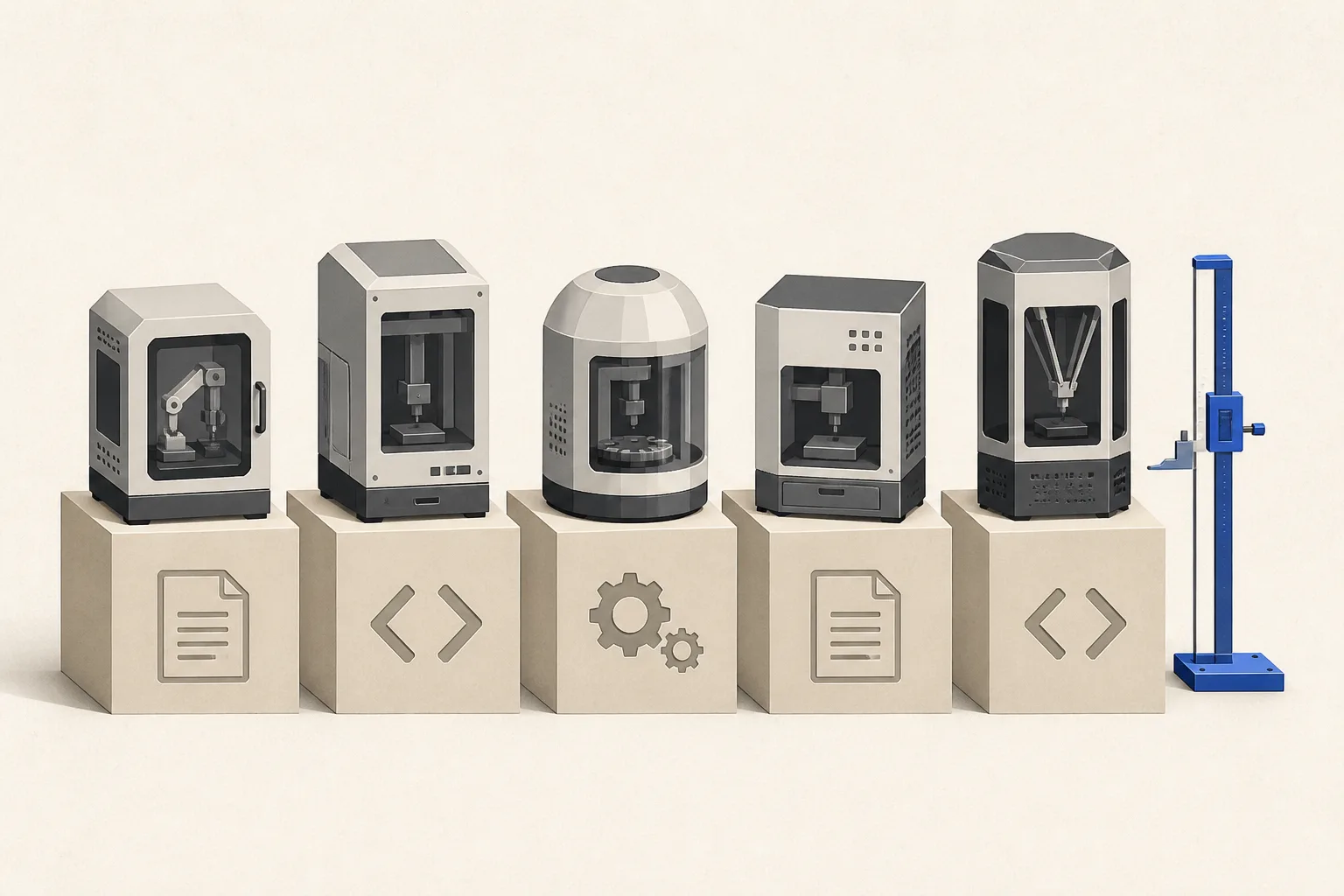
Tutorials · Aug 25, 2026Run Multiple Coding AgentsHow to run multiple coding agents in parallel: the local playbook with git worktrees and its real limits, and the production answer, running agents server-side in sandboxes with sessions, streaming, and artifacts behind one API.

Announcements · Aug 25, 2026Introducing Harness ArenaHarness Arena runs the same production task across agent harness and model configurations, so you can gate on success first, compare cost and latency second, and send your traffic to the winner.

Announcements · Aug 30, 2026Open-source launch coverageExplore HarnessRouter's August 14, 2026 open-source launch and 168 publication links for the Unified Harness Protocol and Community Edition.
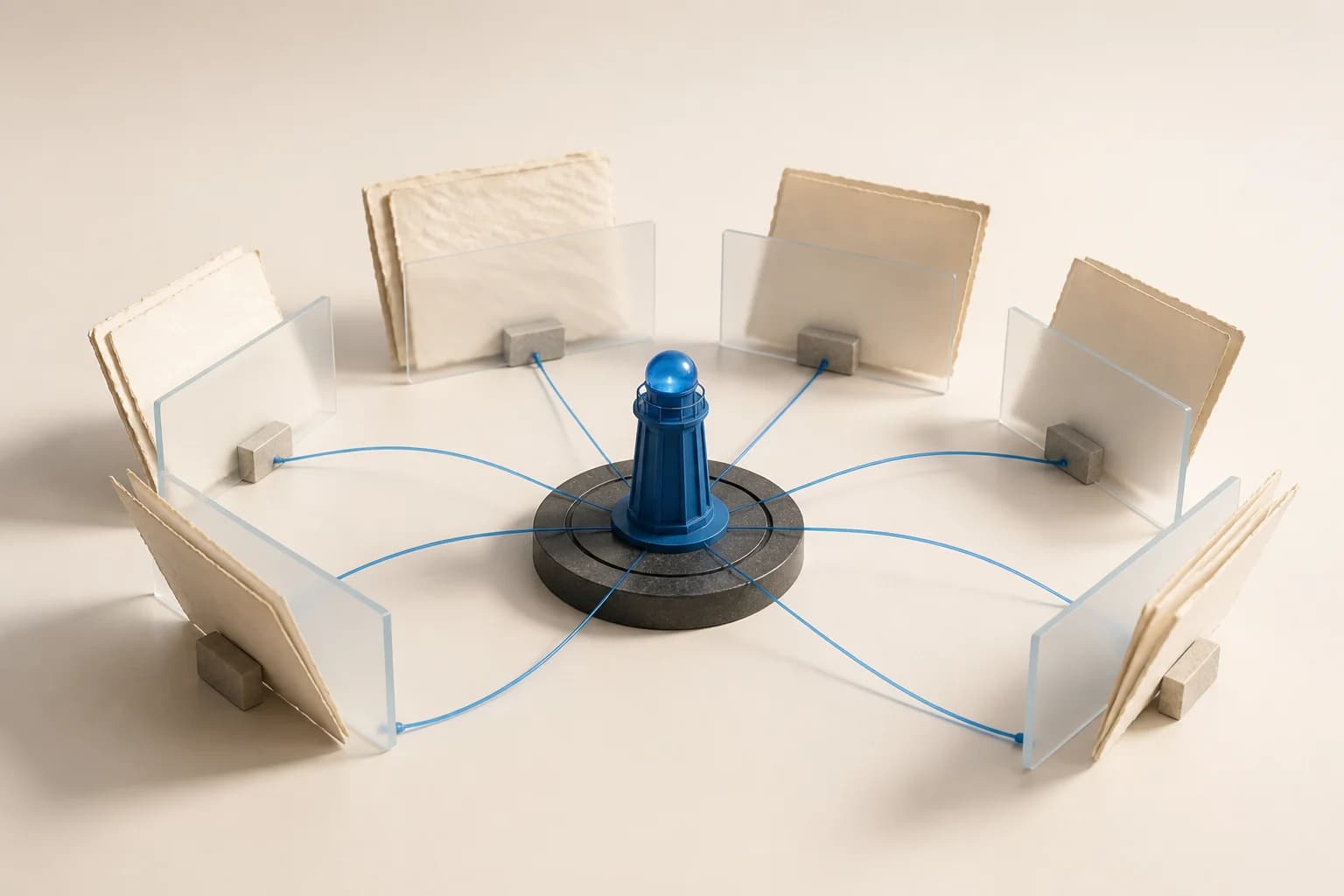
Insights · Aug 25, 2026The harness configuration engineerMy prediction: in most agent teams, the harness engineer job disappears in 2026, and a new job takes its place. The harness configuration engineer tunes instruction, model, skills, and tools so teams ship features faster, not infrastructure.

Insights · Aug 25, 2026The agent harness layerThe agent harness layer is forming: the industry now agrees agents need a harness, but a layer only becomes real when it has a shared contract. Here is what that contract must cover.

Insights · Aug 25, 2026The backend for AI agentsA backend for AI agents is more than an isolated place to execute. Here is the full set of layers a production agent feature needs, and how to decide which to build and which to adopt.

Insights · Aug 22, 2026Naming the Unified Harness ProtocolThe story behind the Unified Harness Protocol name: how UHP became the name for an open standard of the agent harness layer, the nine names weighed, and why Unified holds the contract together.

Announcements · Aug 21, 2026DeepSeek Harness and Pi are liveDeepSeek Harness and Pi are now supported agent harnesses on HarnessRouter, bringing the total to five: Codex, Claude Code, Hermes, Pi, and DeepSeek Harness. Run every one through the same create-and-run API.

Insights · Aug 12, 2026AI product infrastructureThe four infrastructure layers behind an AI product: the model layer, the context layer, the harness layer, and the unified interface above it, with a build-or-adopt call for each.
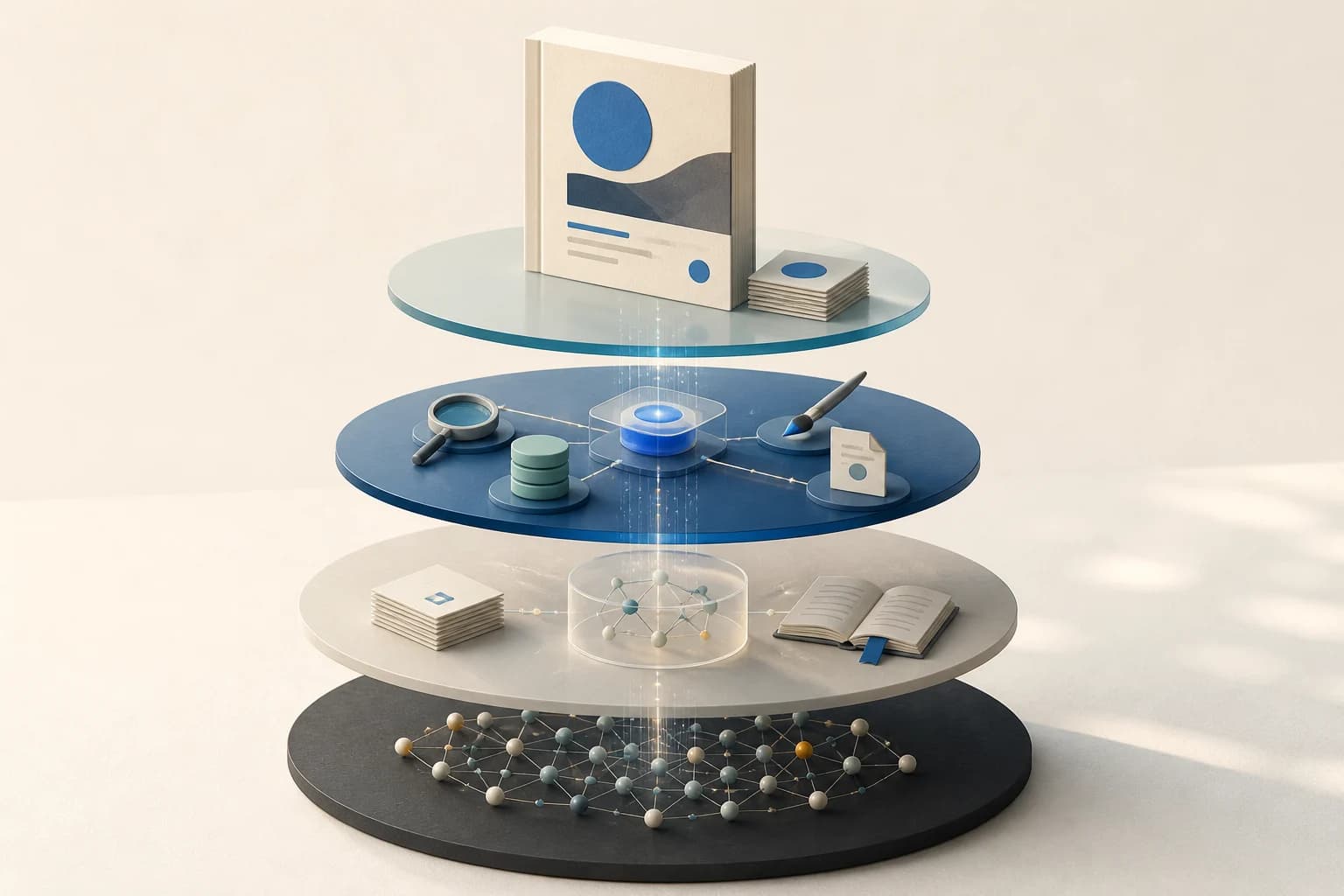
Tutorials · Aug 12, 2026Model evalsA practical guide to model evals: build evals from your real tasks, grade with exact checks and LLM-as-a-judge, run candidates fairly, and extend evaluation to the full harness and model configuration.

Tutorials · Aug 12, 2026How to build an agent harnessA complete walkthrough of building an agent harness: the execution loop, context management, tools, sandboxing, the production infrastructure most guides skip, and how to decide between building and adopting one.
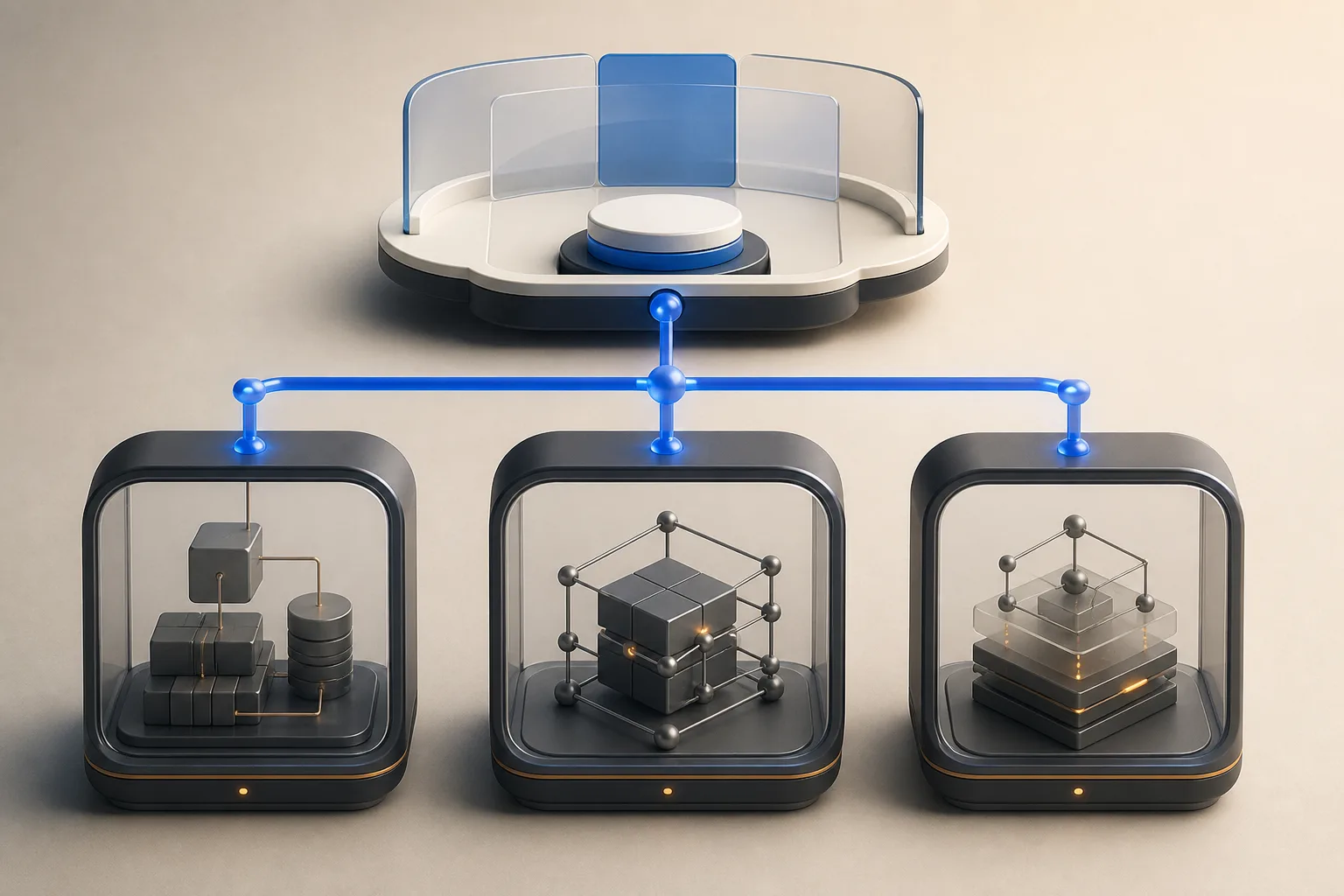
Comparisons · Aug 11, 2026Managed agents, comparedManaged agents run on vendor-operated infrastructure. Compare Claude Managed Agents, Gemini API managed agents, Amazon Bedrock AgentCore, and the multi-harness approach.
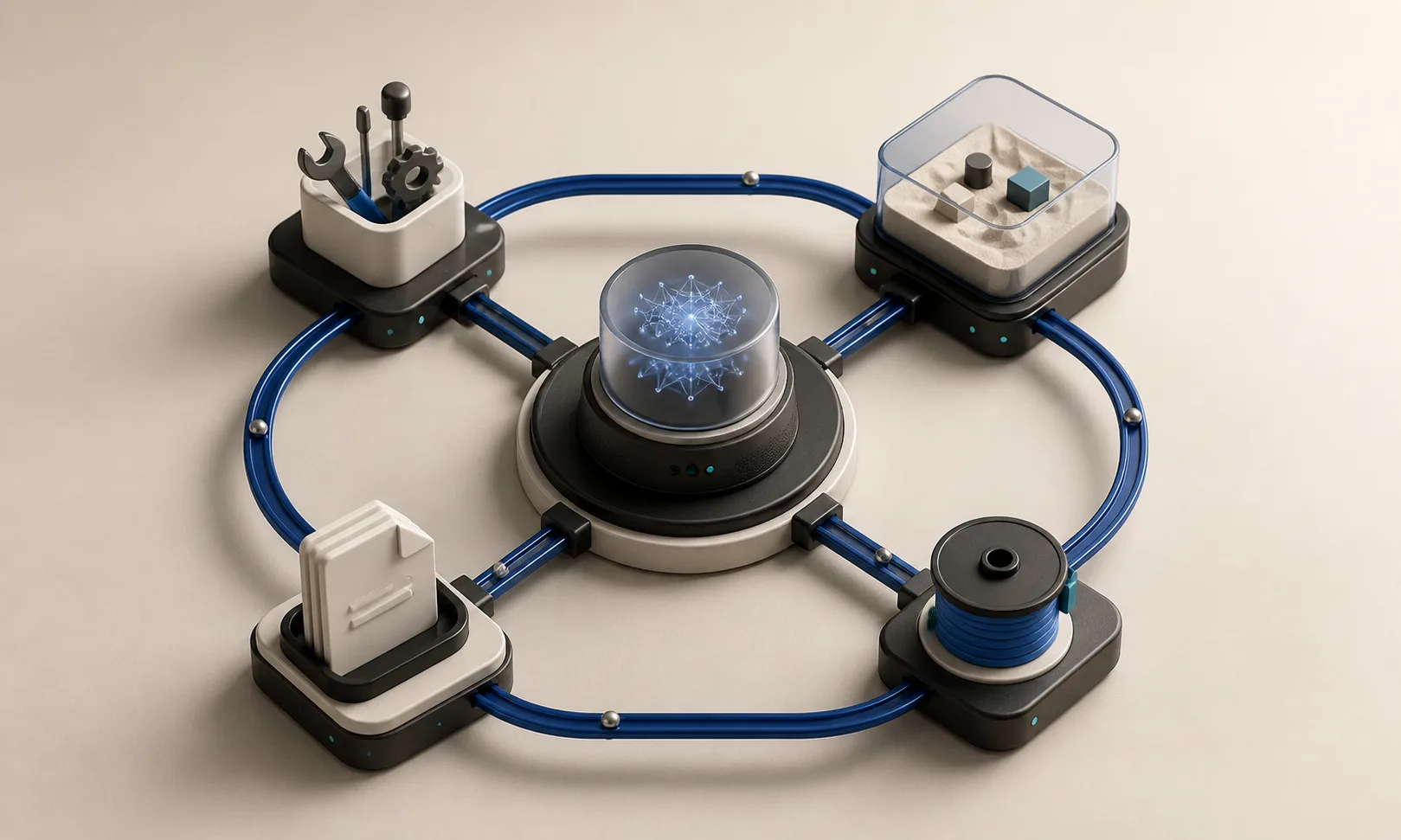
Insights · Aug 11, 2026Agent as a serviceAgent as a service (AaaS) means AI agents delivered as a service: through an API on managed infrastructure, or as finished digital workers. Definition, examples, and the stack underneath.

Insights · Aug 11, 2026Harness as a serviceHarness as a service (HaaS) is cloud infrastructure that runs agent harnesses for you: hosted sessions, sandboxes, streaming, and artifacts behind one API.
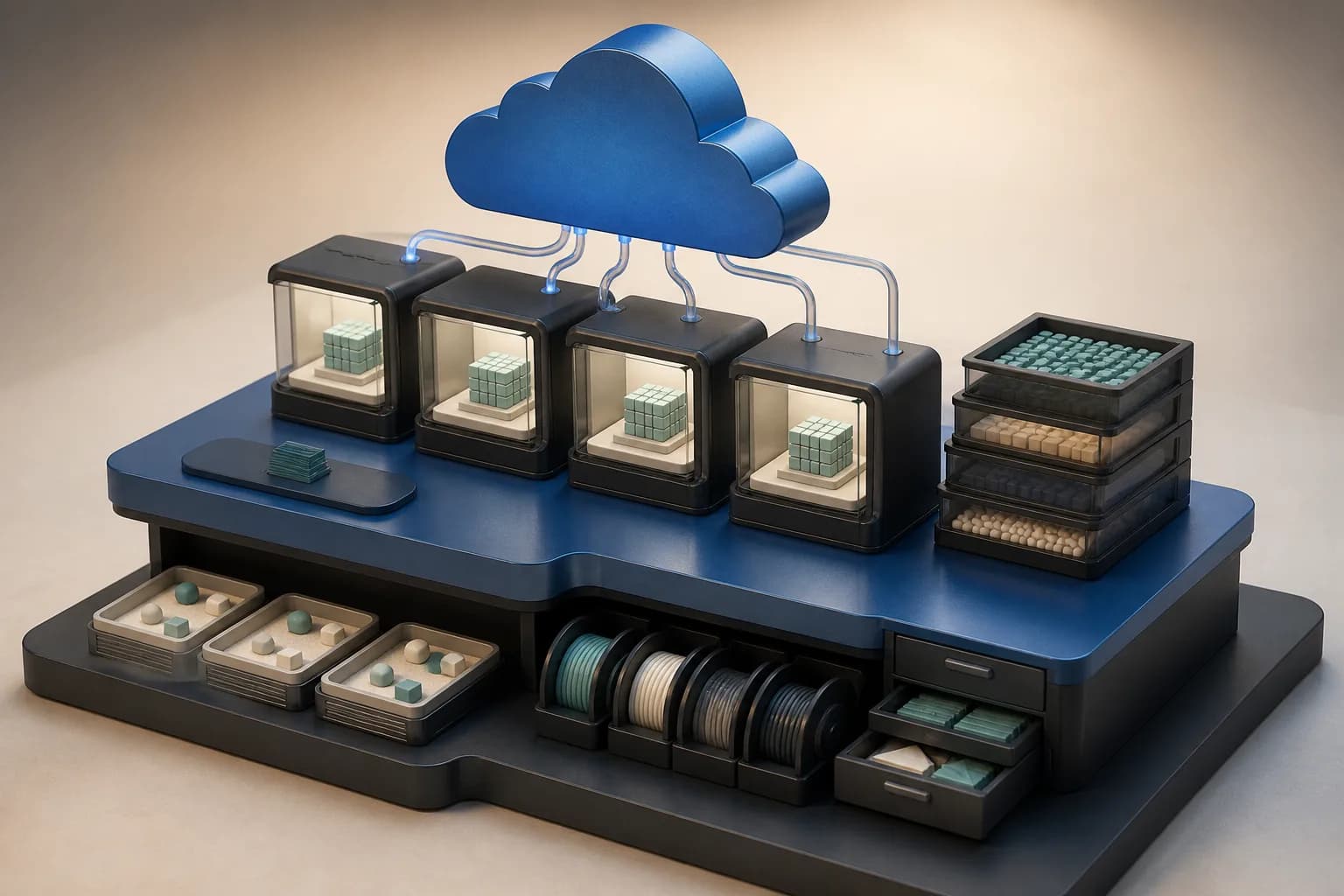
Insights · Aug 10, 2026What is a meta-harnessA meta-harness has two recognized senses: operating many harnesses or optimizing one. Both are capabilities of the Unified Harness Protocol (UHP).

Comparisons · Aug 10, 2026Harness vs modelDevelopers are swapping the model behind their favorite coding harness while refusing to give up the harness itself. What that reveals about agent architecture, and your product.

Comparisons · Aug 10, 2026Codex vs Claude Code as an APICodex vs Claude Code from a product builder's view: what a same-task benchmark shows about cost and quality, and how to run both agent harnesses through one API.

Comparisons · Aug 10, 2026AgentAPI vs HarnessRouterAgentAPI wraps terminal coding agents in an HTTP API you operate. HarnessRouter is the hosted alternative: Codex, Claude Code, and Hermes behind one product-grade API.
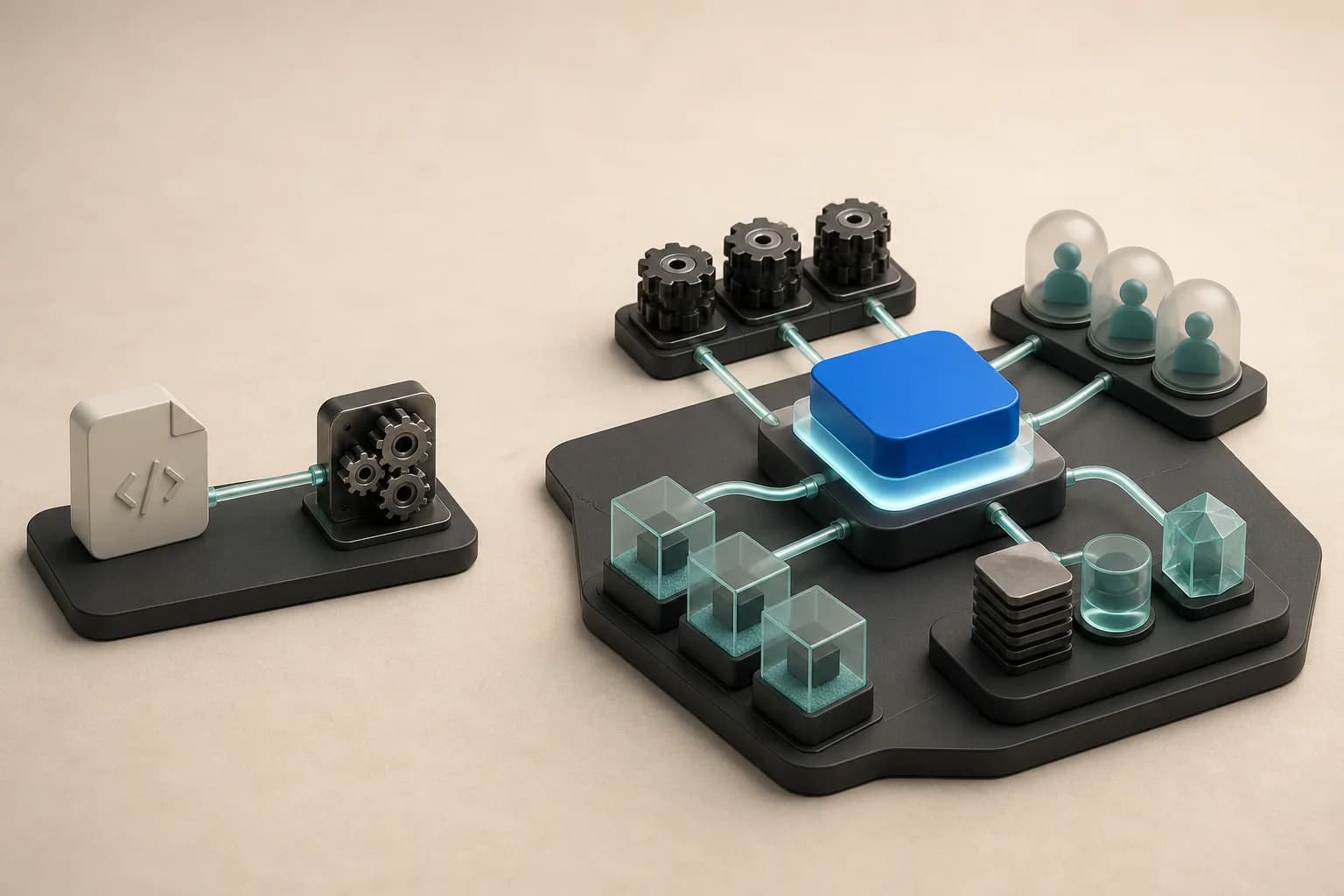
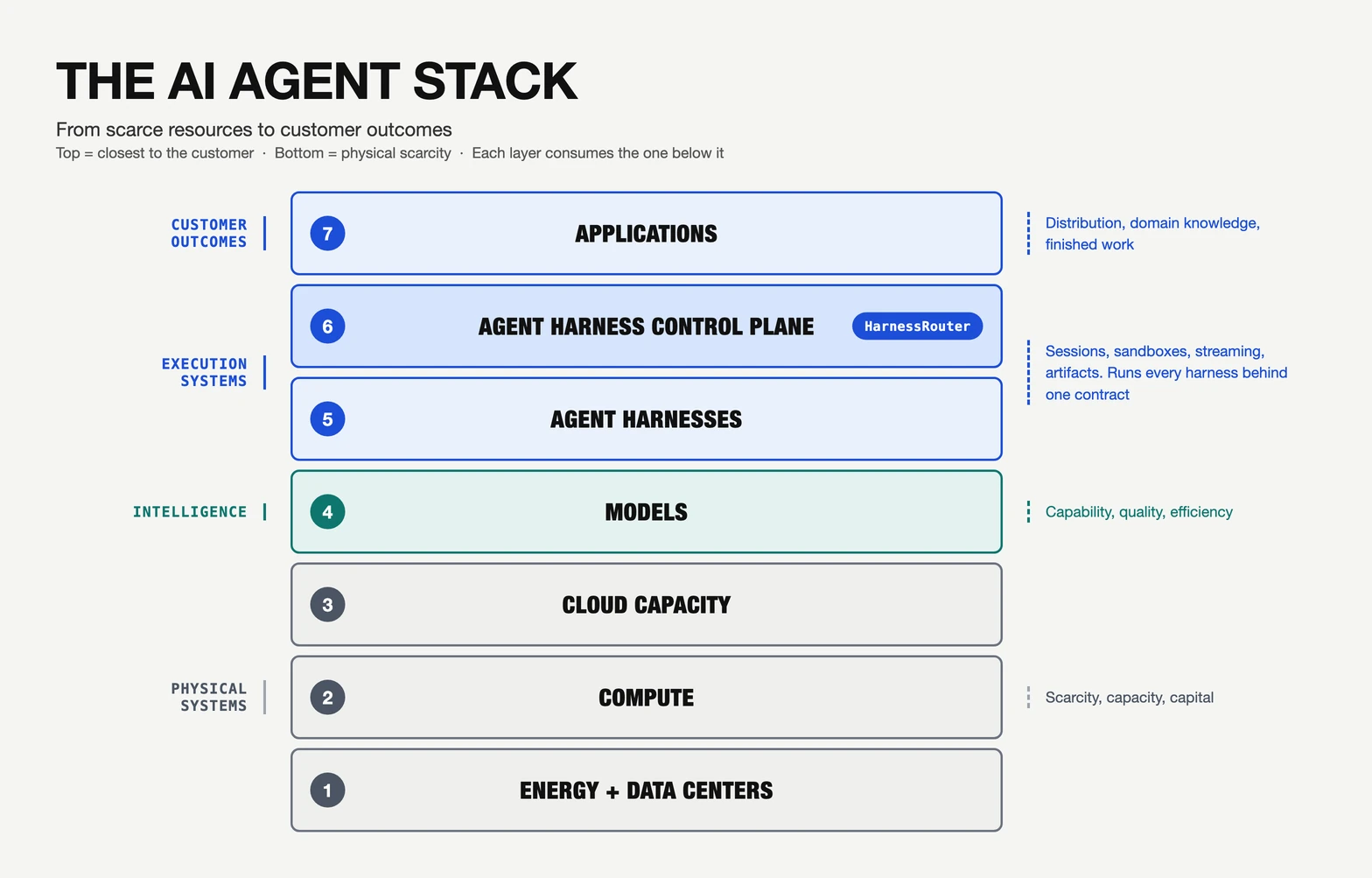
Insights · Aug 4, 2026The AI agent stackA practical guide to the AI agent stack, from energy and compute to models, agent harnesses, runtime infrastructure, and customer applications.
Tutorials · Aug 4, 2026What is an LLM router?Learn how LLM routers select models by cost, quality, latency, and availability, how they compare with AI gateways, and where agent routing fits.
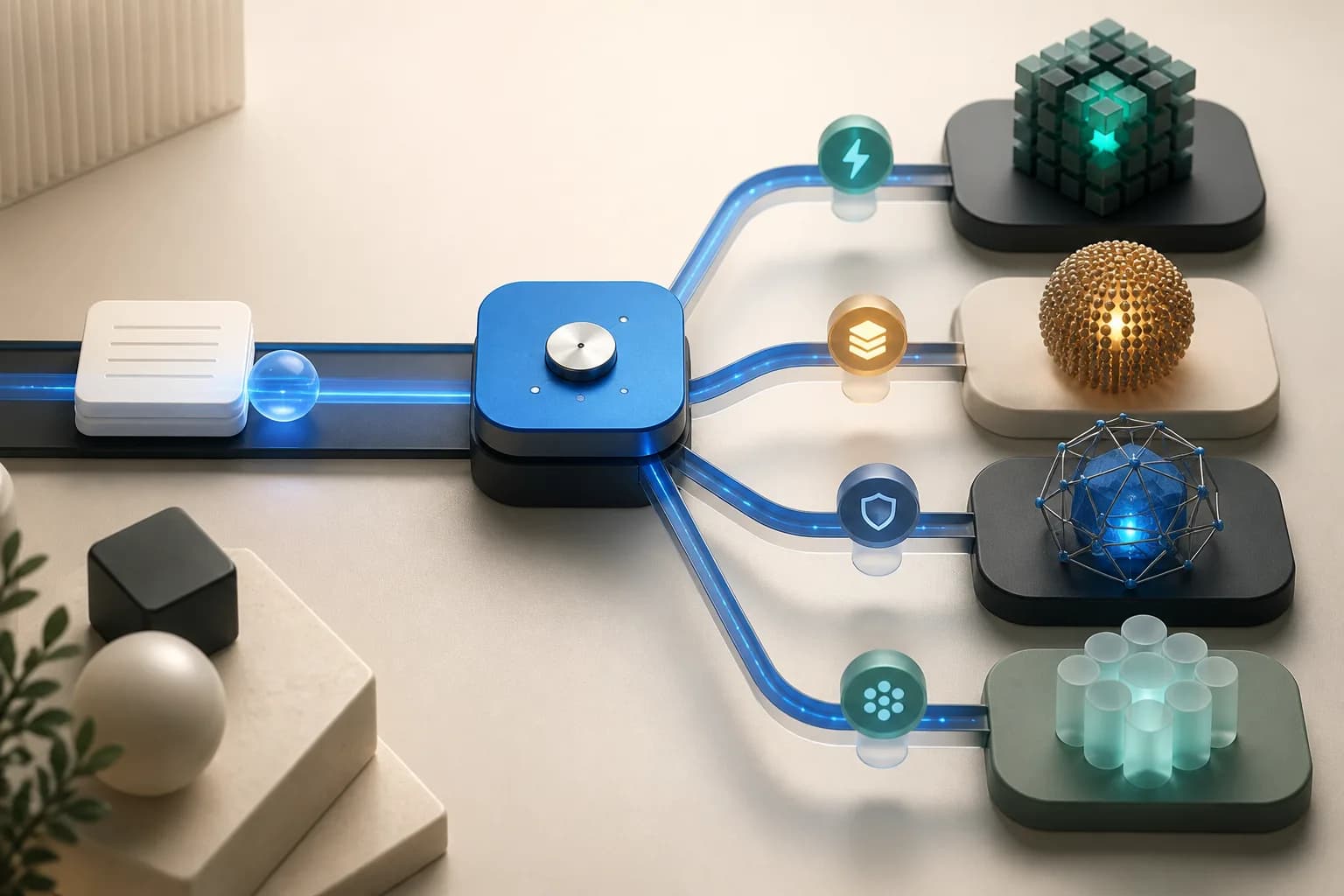
Announcements · Aug 3, 2026The unified interface for agent harnessesHarnessRouter is the world's first unified interface for agent harnesses. One API and control plane let developers run, trace, compare, and scale Codex, Claude Code, Hermes, Pi, DeepSeek Harness, and future harnesses inside AI products.