

The direct answer
There is no single best agent harness. There is a best one for your task
Every ranking of agent harnesses that names one overall winner is answering the wrong question. Harnesses are complete, fast-moving systems, and the same field ranks differently depending on the work you give it.
That task dependence is the most useful fact in this article. In HarnessRouter's published same-task benchmark, eight agent harness and model configurations each ran the same task five times on identical input. Cost per task varied by approximately 475 times and p95 end-to-end latency varied by more than 3 times. Results vary by task, which means the harness that wins your teammate's workload can quietly tax yours.
So this guide does what a serious answer to the question has to do: it profiles the major harnesses and what each is documented to be good at, shows you the measured spread between them, and gives you the method for producing the only ranking that matters, the one on your own tasks.
| You need | Start your evaluation with | Why |
|---|---|---|
| End-to-end engineering tasks in a real working tree | Claude Code | Documented to work with the shell, edit files, run tests, and coordinate sub-agents to finish tasks end to end. |
| A coding agent with broad first-party surfaces | Codex | OpenAI documents it reading, editing, and running code across web, IDE, and CLI surfaces. |
| Deep configurability: toolsets, skills, memory, model choice | Hermes | Nous Research documents CLI usage, a skills system, persistent memory, MCP integration, and configurable model providers. |
| A minimal, steerable agent that is easy to reason about | Pi | A deliberately small harness that reads, writes, and edits files and runs Bash on a real git workspace. |
| An autonomous coder to field against the incumbents | DeepSeek Harness | An autonomous coding agent on a real git workspace, available as a version-pinned developer preview. |
Treat the table as a starting grid, not a verdict. The section on method below is how you turn it into your own ranking.
Evaluation criteria
What best should mean for an agent harness
Before profiling the field, the criteria deserve one honest paragraph, because most harness rankings never state theirs. A harness is the runtime system around a model: the agent loop, the tool and file handling, the context management, the recovery behavior. Ranking harnesses is therefore not ranking models, and a model leaderboard cannot answer this question for you.
Four criteria decide it in production:
- Task success first. Success on your task, at your quality bar, is a constraint, not a weight. A cheap failure is not a bargain.
- Cost per successful task, the unit that actually appears on your invoice, measured only among configurations that pass the success gate.
- Latency you can live with, measured at p95 rather than best case, because your users meet the tail.
- Operability behind a product: whether you can run the harness as a service with sessions, streaming, file handling, and artifacts your application can render.
The field
The best agent harnesses in 2026, profiled
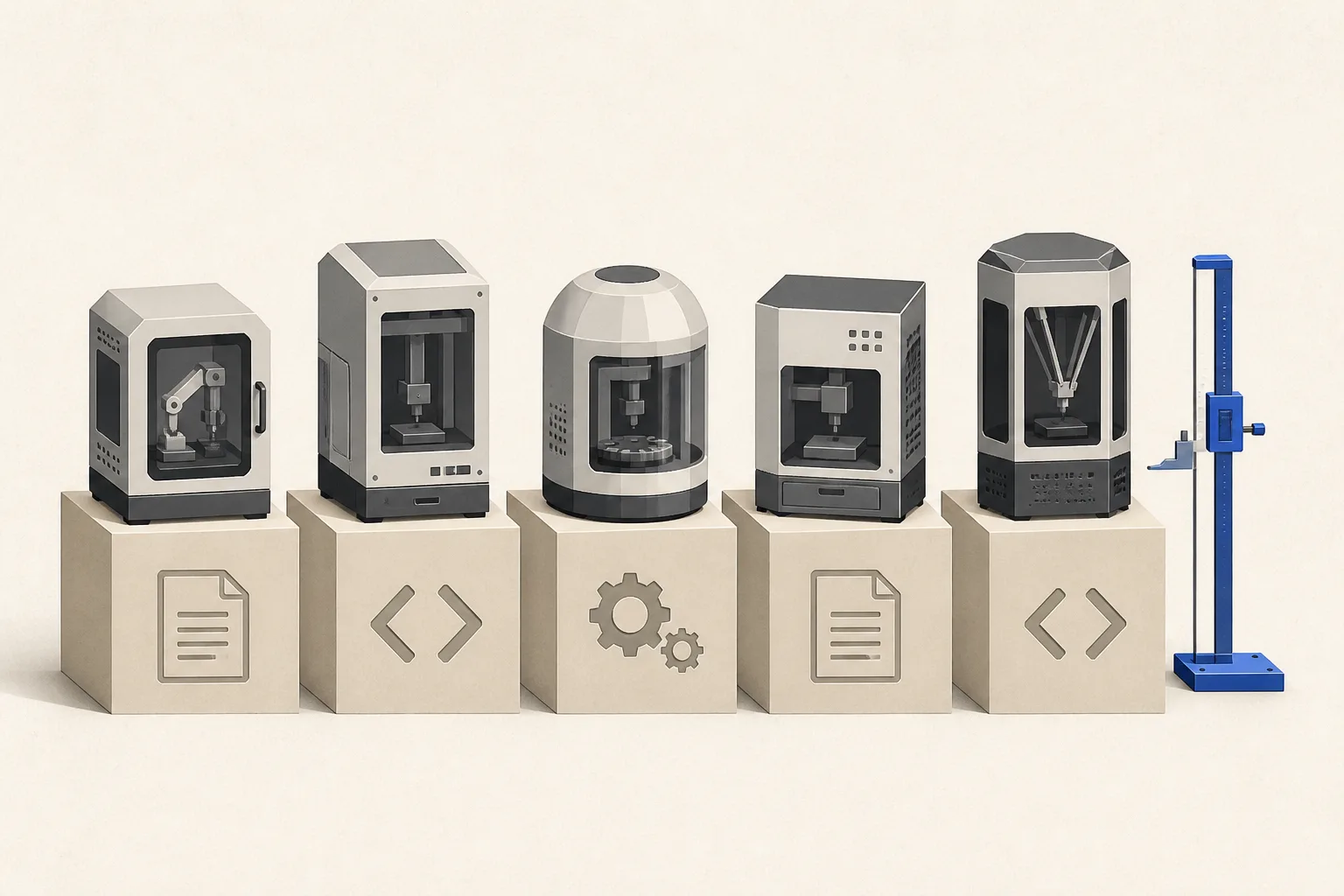
These five complete harnesses anchor the field, and HarnessRouter operates all of them today, alongside OpenCode, Qwen Code, and Cline for fourteen in total. Each profile sticks to what the maker documents; the numbers section afterward is where the field actually separates.
1. Claude Code. Anthropic documents Claude Code as an agentic coding tool that works in a real working tree with the shell, editing files, running tests, and coordinating sub-agents to complete engineering tasks end to end. That end-to-end scope is aimed squarely at long, multi-step engineering work.
2. Codex. OpenAI documents Codex as a coding agent that can read, edit, and run code across web, IDE, and CLI surfaces. Its breadth of first-party surfaces makes it easy to adopt anywhere, and our published same-task benchmark measured it and Claude Code pricing very differently on the same real task.
3. Hermes. Nous Research documents Hermes as a self-improving autonomous agent with CLI usage, toolsets, a skills system, persistent memory, MCP integration, and configurable model providers. That configurability is the draw when your task needs a harness shaped to fit, rather than taken as shipped.
4. Pi. Pi, from earendil-works, is a minimal, steerable coding agent that operates on a real git workspace, reading, writing, and editing files and running Bash to complete tasks end to end. Minimal is a feature: fewer moving parts to audit, and behavior that is easier to predict per task.
5. DeepSeek Harness. An autonomous coding agent that works on a real git workspace, running shell commands and editing files to complete tasks end to end. HarnessRouter runs it as a version-pinned developer preview, which is exactly the kind of contender an evidence-based evaluation should field rather than assume away.
The supply side keeps growing beyond these profiles: OpenCode, Qwen Code, and Cline are now live on HarnessRouter as well, and new entrants keep appearing. The field getting deeper is good news, provided your evaluation method scales with it.
The evidence
The measured spread between harnesses
Profiles describe design intent. Production decisions need measurements, and the measurement that matters is the same task run across the field under identical conditions.
HarnessRouter's published benchmark did exactly that: eight harness and model configurations, five runs each, identical input. The spread was approximately 475 times in cost per task and more than 3 times in p95 end-to-end latency. Results vary by task, and that variance is the finding: the distance between a good and a bad harness choice for one specific task is not a rounding error, it is orders of magnitude.
This is why a static ranked list, including this one, cannot be the last word. The field changes every time a harness or model ships an update, and your task is not the benchmark's task.
The method
How to produce the ranking that matters: yours
The method is the same one behind the published numbers, applied to your workload:
- Take one real task from your product, with real input, not a synthetic puzzle.
- Field several harness and model configurations against it through one API, so the comparison holds everything else constant.
- Gate on success and quality first, then rank the survivors on cost per successful task and p95 latency.
- Point that task class at the winner, and rerun the race when the field updates.
Running this by hand means integrating each harness separately, which is precisely the tax that stops teams from ever comparing. HarnessRouter exists to remove that tax: your app sends one task; HarnessRouter runs the best harness in a sandbox and returns renderable artifacts to your UI. The public rankings show the field over time, Harness Arena races configurations on your own tasks, and the same integration then serves whichever harness earns the work.
FAQ
Best agent harness FAQ
What is the best agent harness in 2026?
The honest answer is per task. Claude Code is documented for end-to-end engineering in a real working tree, Codex for breadth of first-party surfaces, Hermes for configurability, Pi for minimalism, and DeepSeek Harness is a version-pinned developer preview worth fielding. In published same-task measurements the spread between configurations reached roughly 475 times in cost, and results vary by task, so the best harness for your product is the one that wins your task, not a global winner.
What is the difference between an agent harness and an agent harness platform?
A harness is the complete runtime system around a model: Codex, Claude Code, Hermes, Pi, and DeepSeek Harness are harnesses. A platform in this category runs harnesses for you behind one interface. HarnessRouter is the world's first unified interface for agent harnesses: one API that runs complete harnesses in sandboxes with sessions, streaming, files, and artifacts.
Is Claude Code better than Codex?
On some tasks yes, on others no, and the price of being wrong is measurable. The two harnesses run different loops with different models, so identical prompts produce different cost, latency, and success profiles. The reliable way to decide is a same-task comparison on your own work; HarnessRouter published one such benchmark and lets you run yours.
Do I have to pick just one agent harness?
No, and increasingly you should not. Harnesses update at different rates in different directions, so the winning configuration drifts. Running them behind one interface lets each task class go to whichever harness currently earns it, and lets you re-race the field when something ships.
Find your best agent harness by racing them
One API key, one real task, several harness and model configurations. Gate on success, rank on cost and latency, and ship the winner without changing your integration.
Start free and race the field